Skincare Secrets: Elevate Your Routine Naturally
- Designs By Kier

- Dec 11, 2025
- 5 min read
In a world filled with countless skincare products and trends, it can be overwhelming to find a routine that truly works for you. Many people are searching for natural solutions that not only enhance their skin's appearance but also promote overall health. This blog post will explore effective, natural skincare secrets that can elevate your routine without the need for harsh chemicals or expensive treatments.

Understanding Your Skin Type
Before diving into skincare secrets, it's essential to understand your skin type. Knowing whether you have oily, dry, combination, or sensitive skin will help you choose the right products and techniques for your routine.
Oily Skin
If you have oily skin, your skin produces excess sebum, which can lead to clogged pores and breakouts. Look for lightweight, oil-free products that contain ingredients like salicylic acid or tea tree oil.
Dry Skin
Dry skin lacks moisture and can feel tight or flaky. Opt for rich, hydrating products with ingredients like hyaluronic acid, glycerin, and natural oils such as jojoba or almond oil.
Combination Skin
Combination skin features both oily and dry areas. A balanced routine that includes gentle cleansers and lightweight moisturizers can help maintain harmony.
Sensitive Skin
Sensitive skin can react to various products, leading to redness or irritation. Choose fragrance-free, hypoallergenic products with soothing ingredients like aloe vera or chamomile.
Natural Ingredients to Incorporate
Once you understand your skin type, you can begin to incorporate natural ingredients that can enhance your skincare routine. Here are some powerful natural ingredients to consider:
Aloe Vera
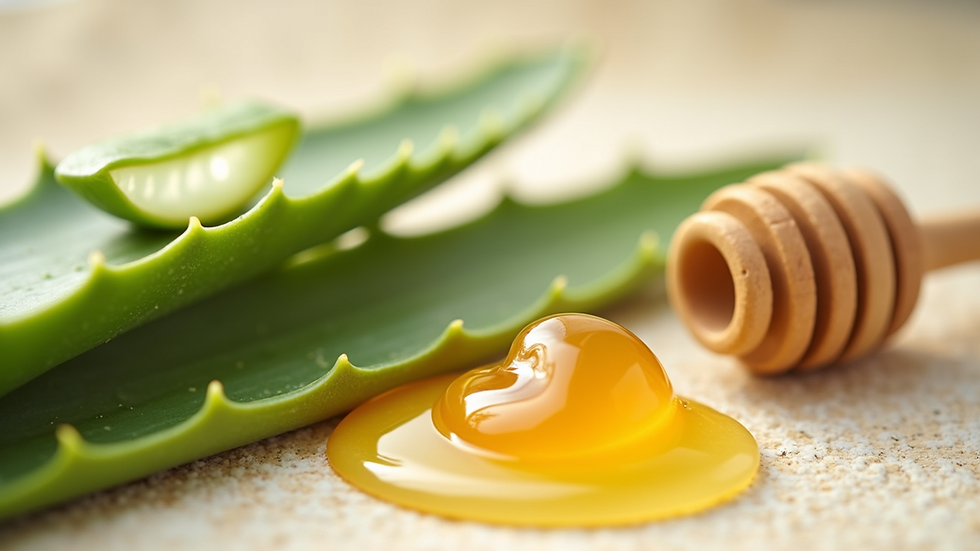
Aloe vera is known for its soothing and hydrating properties. It can help calm irritated skin, reduce redness, and provide moisture without clogging pores. Use aloe vera gel directly from the plant or look for products that contain it as a primary ingredient.
Coconut Oil
Coconut oil is a versatile ingredient that can be used as a moisturizer, makeup remover, or even a hair treatment. Its antibacterial properties make it great for acne-prone skin, while its rich fatty acids provide deep hydration for dry skin.
Honey
Honey is a natural humectant, meaning it attracts moisture to the skin. It also has antibacterial properties, making it an excellent choice for acne treatment. Use raw honey as a face mask or mix it with other ingredients for added benefits.
Green Tea
Green tea is packed with antioxidants that can help protect the skin from environmental damage. It can also reduce inflammation and redness. Consider using green tea-infused products or brewing a cup and using it as a toner.
Jojoba Oil
Jojoba oil closely resembles the natural oils produced by our skin, making it an excellent moisturizer for all skin types. It helps balance oil production and provides hydration without feeling greasy.
Building Your Skincare Routine
Now that you have a better understanding of your skin type and the natural ingredients to incorporate, let's discuss how to build an effective skincare routine.
Step 1: Cleansing
Start with a gentle cleanser that suits your skin type. For oily skin, a foaming cleanser with salicylic acid can help control excess oil. For dry skin, a creamy cleanser with hydrating ingredients is ideal. Cleanse your face twice daily to remove dirt, oil, and makeup.
Step 2: Toning
Toners help balance the skin's pH and prepare it for the next steps in your routine. Look for alcohol-free toners with soothing ingredients like rose water or witch hazel. Apply toner with a cotton pad or your hands.
Step 3: Treatment
This step is where you can target specific skin concerns. For acne, consider using a serum with tea tree oil or salicylic acid. For dryness, a hyaluronic acid serum can provide an extra boost of hydration. Apply treatments before your moisturizer.
Step 4: Moisturizing
Moisturizing is crucial for all skin types. Choose a lightweight, non-comedogenic moisturizer for oily skin, while those with dry skin may prefer a richer cream. Apply moisturizer while your skin is still damp to lock in moisture.
Step 5: Sun Protection
Never skip sunscreen, even on cloudy days. Look for a broad-spectrum SPF of at least 30. Apply it as the last step in your morning routine to protect your skin from harmful UV rays.
The Importance of Consistency
One of the most critical aspects of any skincare routine is consistency. It can take time to see results, so stick with your routine for at least a few weeks before making any changes. Keep track of how your skin responds to different products and adjust accordingly.
Lifestyle Factors That Affect Your Skin
In addition to your skincare routine, several lifestyle factors can impact your skin's health. Here are some key areas to consider:
Diet
What you eat plays a significant role in your skin's appearance. Incorporate plenty of fruits, vegetables, and healthy fats into your diet. Foods rich in antioxidants, such as berries and leafy greens, can help protect your skin from damage.
Hydration
Staying hydrated is essential for maintaining healthy skin. Aim to drink at least eight glasses of water a day. Proper hydration helps keep your skin plump and reduces the appearance of fine lines.
Sleep
Quality sleep is vital for skin repair and regeneration. Aim for 7-9 hours of sleep each night to allow your skin to recover from daily stressors.
Stress Management
Chronic stress can lead to skin issues like acne and eczema. Incorporate stress-reducing activities into your routine, such as yoga, meditation, or spending time in nature.
DIY Skincare Recipes
If you're feeling adventurous, consider trying some DIY skincare recipes using natural ingredients. Here are a few simple ideas:
Hydrating Face Mask
Ingredients:
1 tablespoon honey
1 tablespoon aloe vera gel
1 teaspoon coconut oil
Instructions:
Mix all ingredients in a bowl until well combined.
Apply the mask to your face and leave it on for 15-20 minutes.
Rinse with warm water and pat dry.
Exfoliating Scrub
Ingredients:
1 cup brown sugar
1/2 cup coconut oil
1 teaspoon vanilla extract (optional)
Instructions:
Combine all ingredients in a bowl.
Gently massage the scrub onto your skin in circular motions.
Rinse with warm water and enjoy smooth, exfoliated skin.
Common Skincare Myths
As you embark on your skincare journey, it's essential to debunk some common myths that may lead you astray.
Myth 1: Oily Skin Doesn't Need Moisturizer
Many people with oily skin believe they should skip moisturizer. However, even oily skin needs hydration. Look for lightweight, oil-free moisturizers to keep your skin balanced.
Myth 2: Natural Products Are Always Better
While natural ingredients can be beneficial, not all natural products are suitable for everyone. Always patch-test new products and pay attention to how your skin reacts.
Myth 3: You Only Need Sunscreen on Sunny Days
UV rays can penetrate clouds, so it's crucial to wear sunscreen every day, regardless of the weather. Protecting your skin from UV damage is essential for maintaining its health and appearance.
Final Thoughts
Elevating your skincare routine naturally is not only possible but can also be incredibly rewarding. By understanding your skin type, incorporating natural ingredients, and maintaining consistency, you can achieve healthier, glowing skin. Remember to consider lifestyle factors and debunk common myths as you navigate your skincare journey.
Take the first step today by assessing your current routine and making small adjustments. Your skin will thank you for it!

Comments